
New Zealand illustrator Cat Charm shares her excellent tips on how to brief a children’s book illustrator.
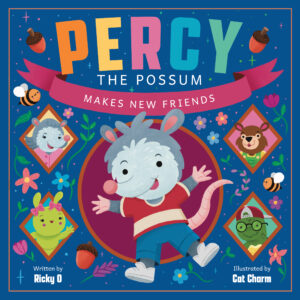
Having worked as a children’s book illustrator for several years, I’ve learned that a good brief can make a big difference to how smoothly a project runs.
Here are a few tips to help you get the most out of working with an illustrator!
1. Share your vision and inspiration
It’s always helpful to have an idea of how you’d like your book to look. If you have a particular style in mind, share examples of books, illustrations or artwork you love. You can also include colour palettes, textures or other visual references that inspire you.
You don’t need to have everything figured out, though! These references are simply a starting point to help your illustrator understand your vision and find a style that suits your story.
2. Tell us about your characters
Your characters are the heart of your story, so tell your illustrator all about them! What do they look like? What are their personalities? Are they shy, cheeky, adventurous or a little bit mischievous?
The more we understand your characters, the easier it is to bring their personalities to life through their expressions, body language and actions. Little details about their quirks and habits can make a big difference, too!
3. Highlight the important moments
Illustrators are often happy to develop the composition and layout of each scene, but if there’s something specific you’d love to see in an illustration, let us know.
Perhaps there’s an important object, a particular setting, a special moment between characters or a detail that helps tell the story. These little things can be easy to miss if they aren’t mentioned in the brief.
At the same time, trust your illustrator to bring their own ideas and creativity to the project. Sometimes, the best visual moments are the ones neither of you initially imagined!
4. Give us a little background
It’s helpful to understand who your book is for and what you hope readers will take away from it. Is it a funny bedtime story, an adventure about friendship, or a story that helps children navigate big feelings?
Understanding the audience, themes and emotions behind your story helps an illustrator make visual choices that support the message and bring the right feeling to each page.
5. Keep communication open
Communication is key! If you’re unsure about something, just ask. A good working relationship is built on being able to share ideas, ask questions and discuss feedback openly.
Try to be clear and specific when giving feedback, too. Rather than simply saying that something doesn’t feel quite right, explain what you’d like to change or what you feel is missing. This gives your illustrator a much better understanding of how to help bring your vision closer to life.
6. Trust the creative process
You’ve chosen an illustrator because you love their work, so give them room to do what they do best! You don’t need to plan every little detail or know exactly what every page should look like.
A children’s book is a collaboration between the author and illustrator. Your story and ideas provide the foundation, while the illustrator brings their own creative interpretation to the words. Some of the most wonderful results happen when both sides feel comfortable sharing ideas and trusting each other’s expertise.
My biggest tip? Be open, share your ideas, ask questions and enjoy the process! Creating a children’s book is a special journey, and the best results often come from a great collaboration between author and illustrator.